
When it comes to commercial or industrial lighting systems, most people focus on bulbs and fixtures. However, one of the most important components that determines how well your lighting operates is the ballast. The right ballast impacts energy efficiency, lamp performance, and long-term maintenance costs. Understanding the difference between T8, T5, and HID ballasts helps you make smart upgrades that can improve output and reduce energy waste throughout your facility.
What Does a Ballast Do?
A ballast regulates the electrical current that flows to a lighting fixture. Without it, lamps would burn out quickly or fail to ignite entirely. Ballasts manage voltage, provide startup power, and maintain consistent illumination. Choosing the right ballast ensures stable lighting, reduced flicker, and increased lamp longevity.
T8 Ballasts: A Reliable, Efficient Standard
T8 ballasts are commonly used in office buildings, warehouses, and retail environments. They work with T8 fluorescent tubes and are known for energy efficiency and low operating temperatures. If your facility uses older T12 lamps, upgrading to T8 systems can significantly reduce electricity usage.
T5 Ballasts: High Output for Specialized Applications
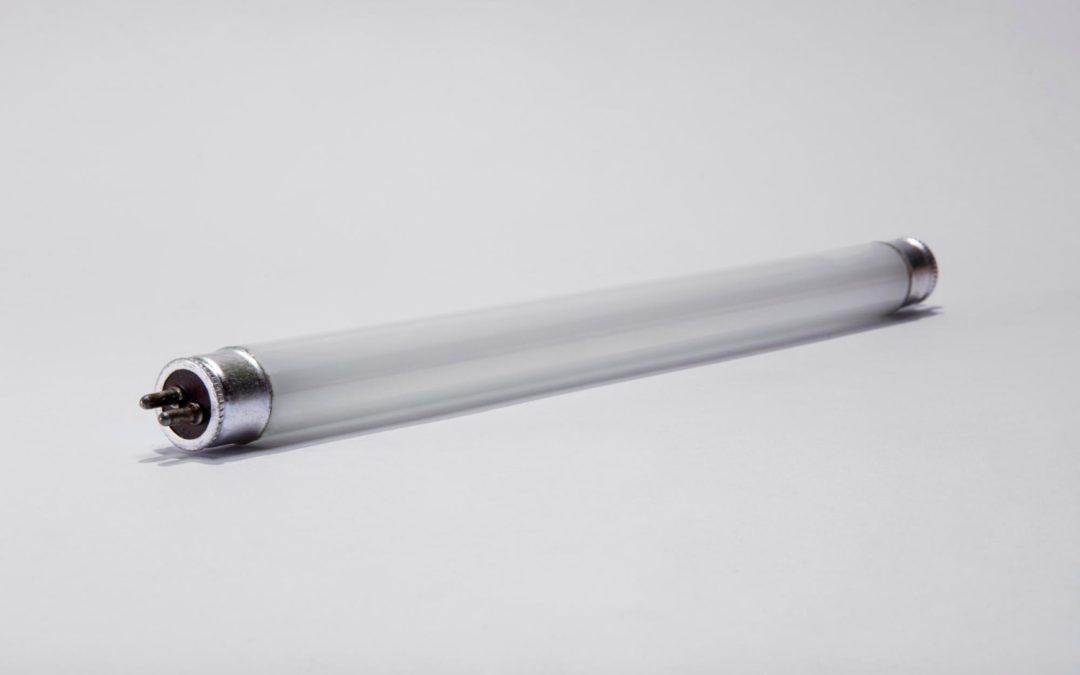
T5 ballasts power slimmer T5 lamps, offering higher lumen output in a compact design. They’re ideal for spaces where quality illumination and reduced fixture size matter, such as manufacturing or high-ceiling environments. While T5 systems cost slightly more upfront, they deliver excellent performance and longevity.
HID Ballasts: Built for Heavy Industrial Use
High-Intensity Discharge (HID) ballasts serve areas requiring very bright, durable lighting, including parking lots, warehouses, and sports facilities. They work with lamps like metal halide and high-pressure sodium, delivering powerful illumination over large spaces.
Choosing the Right Ballast for Your Facility
The best ballast depends on your lighting goals—energy savings, brightness, or long-term lifecycle costs. Identifying the correct system can lower utility bills, streamline maintenance, and improve workplace visibility.